Count the clocks. Fire on N.
Divider takes a clock gate and fires on every Nth rise. Out is that pulse. Cnt is how far through the cycle you are.
What it is
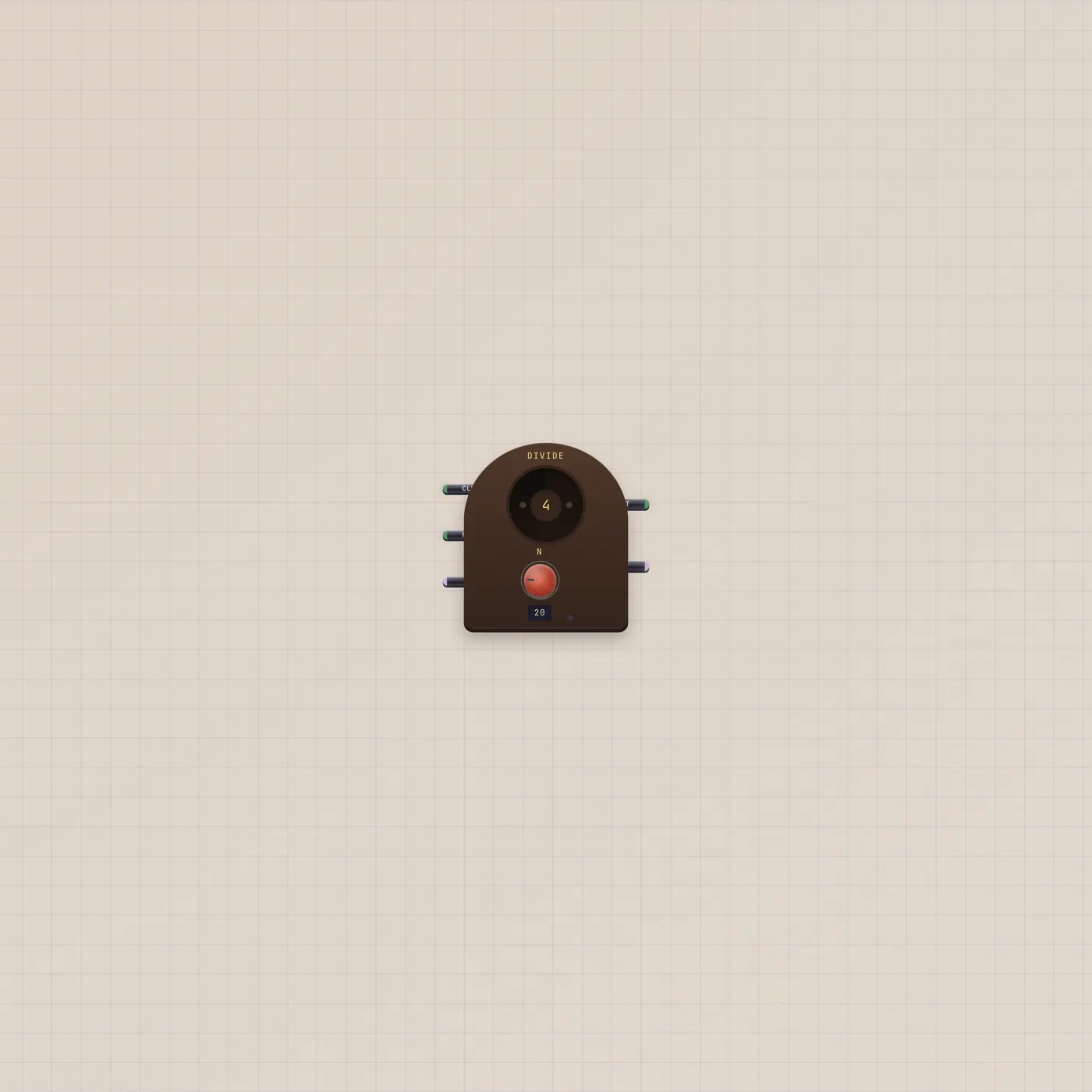
A clock divider with a lamp ring. Clk is the gate to count. Rst zeros the count. N in is CV that sets the divisor (1–16); the face knob does the same when N is free. Default N is 4. Out goes high on the Nth clock, and only while that clock is still high. Cnt is the phase as CV (0–99 through the cycle). The dial in the ring shows N.
How to use it
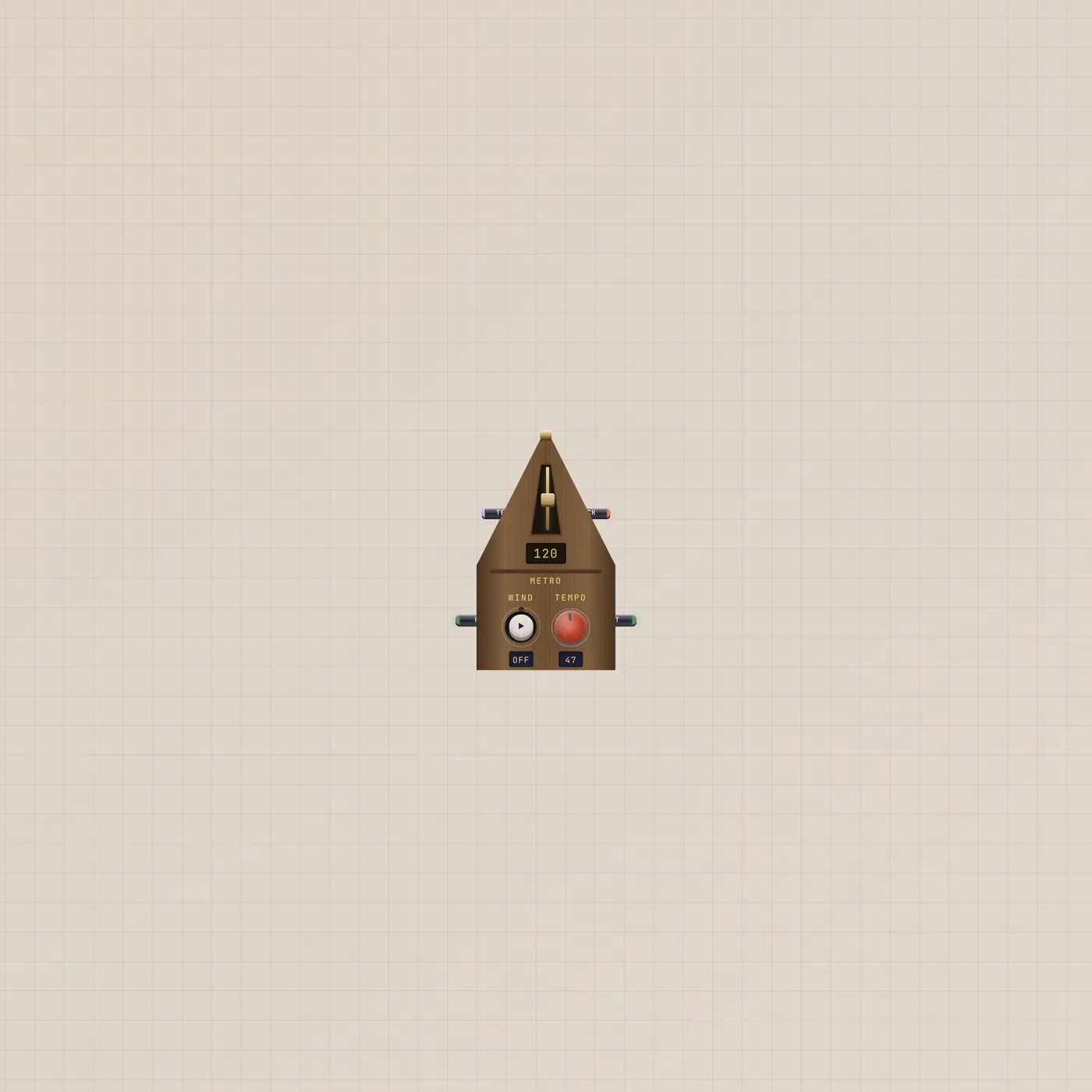
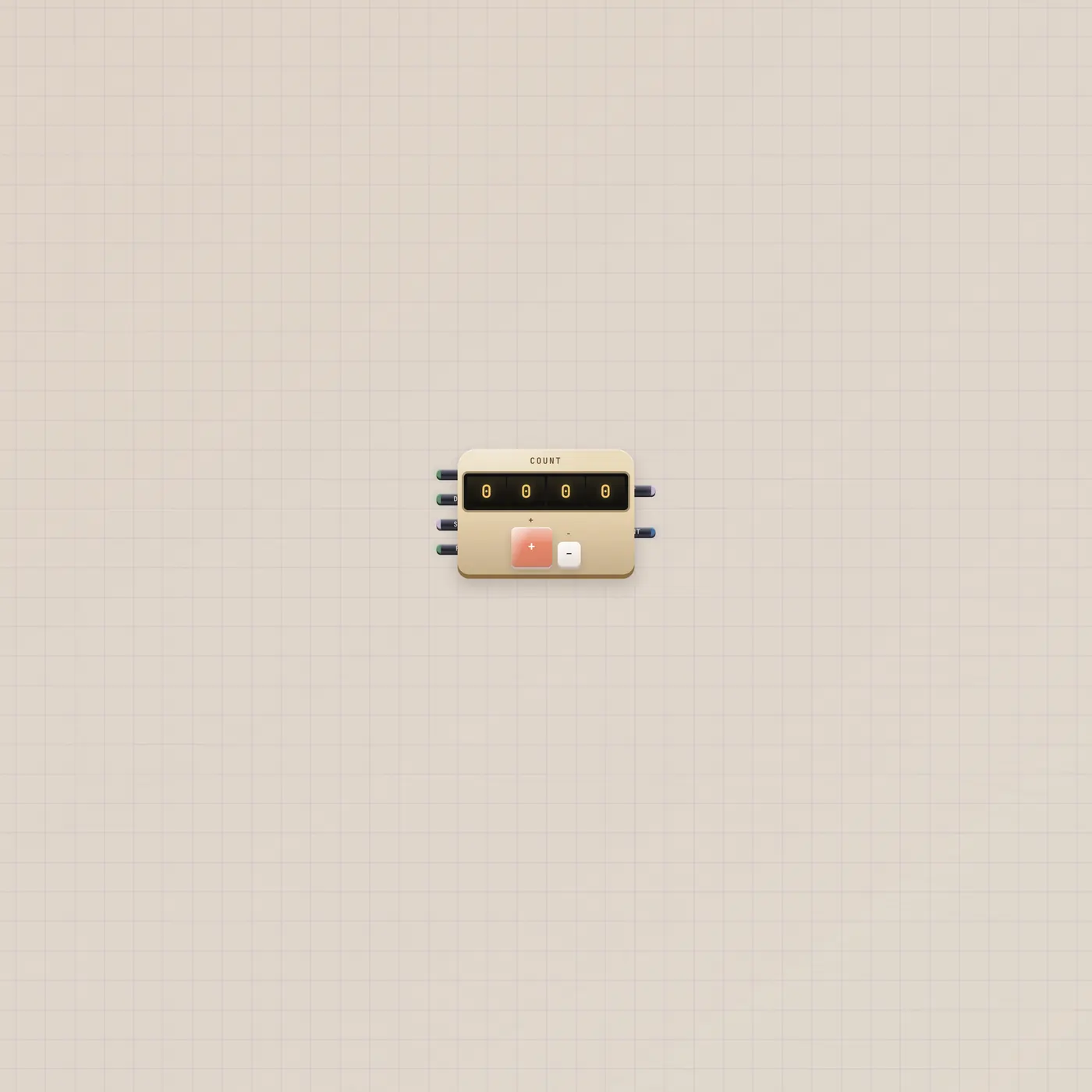
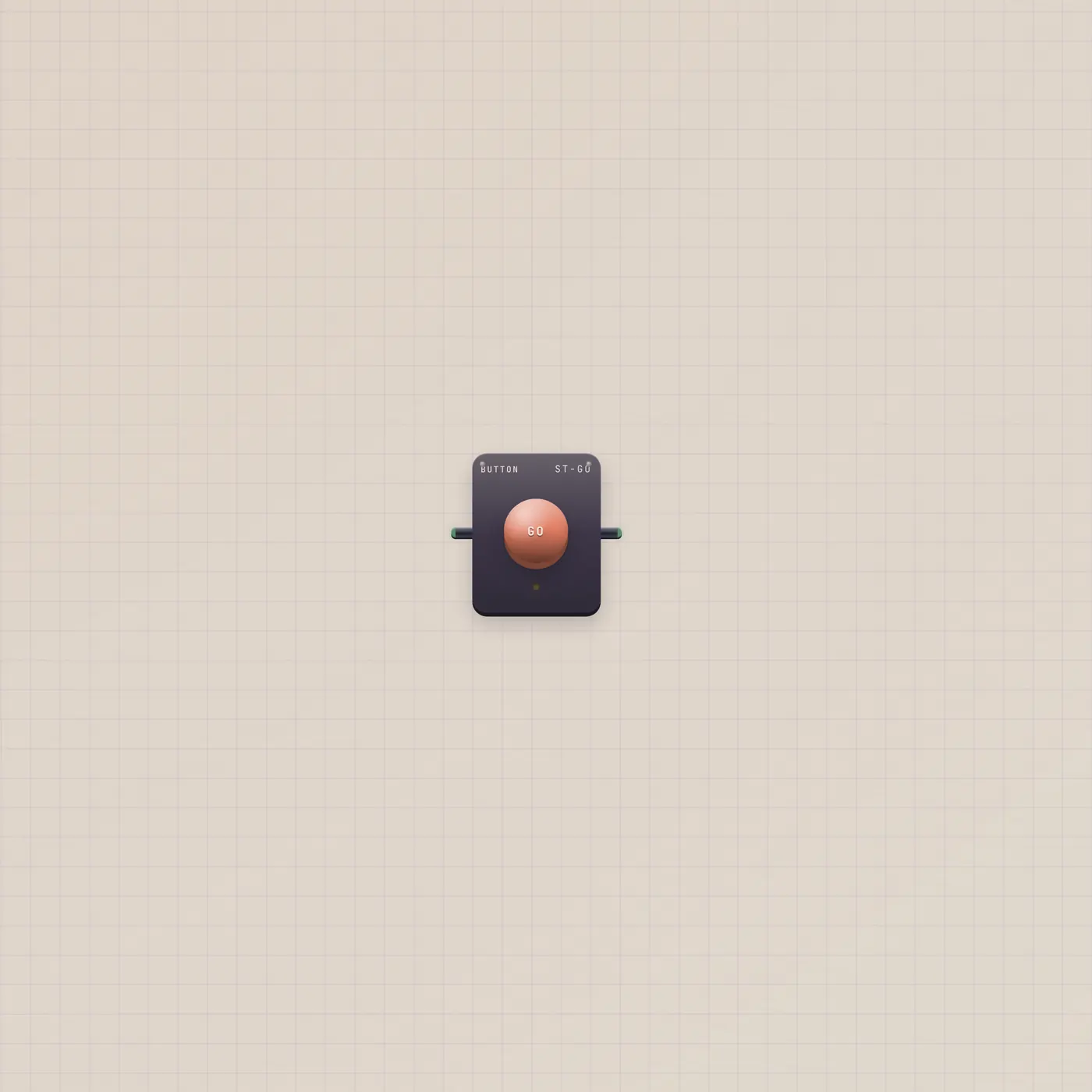
Patch Metronome.gate into Divider.clock. Set N to 4 if you want a pulse on the bar. A Button on Divider.reset starts the cycle over. Patch a Knob into Divider.n to ride the divisor live. Out is a gate — land it on Counter.up, Latch.toggle, or another clock in.
What to patch next
Metronome.gate → Divider.clock, Divider.gate → Counter.up is every Nth beat on the tally. Divider.gate → Latch.toggle flips a state on the bar. A Button on Rst if you want to restart by hand. Leave Cnt for a CV that sweeps the cycle — Compare.a can watch it.
Ports
| Jack | Dir | Kind | Label |
|---|---|---|---|
| clock | in | gate | Clk |
| reset | in | gate | Rst |
| n | in | cv | N |
| gate | out | gate | Out |
| count | out | cv | Cnt |
Questions
- When does Out fire?
- When the count is a multiple of N and the clock is still high. It is as wide as that clock pulse.
- What is Cnt?
- Phase through the current cycle, published as 0–99 CV. It is not the raw integer count.
- Can I change N from a cable?
- Yes. Divider.n is CV mapped to 1–16. A patched N locks the face knob.